


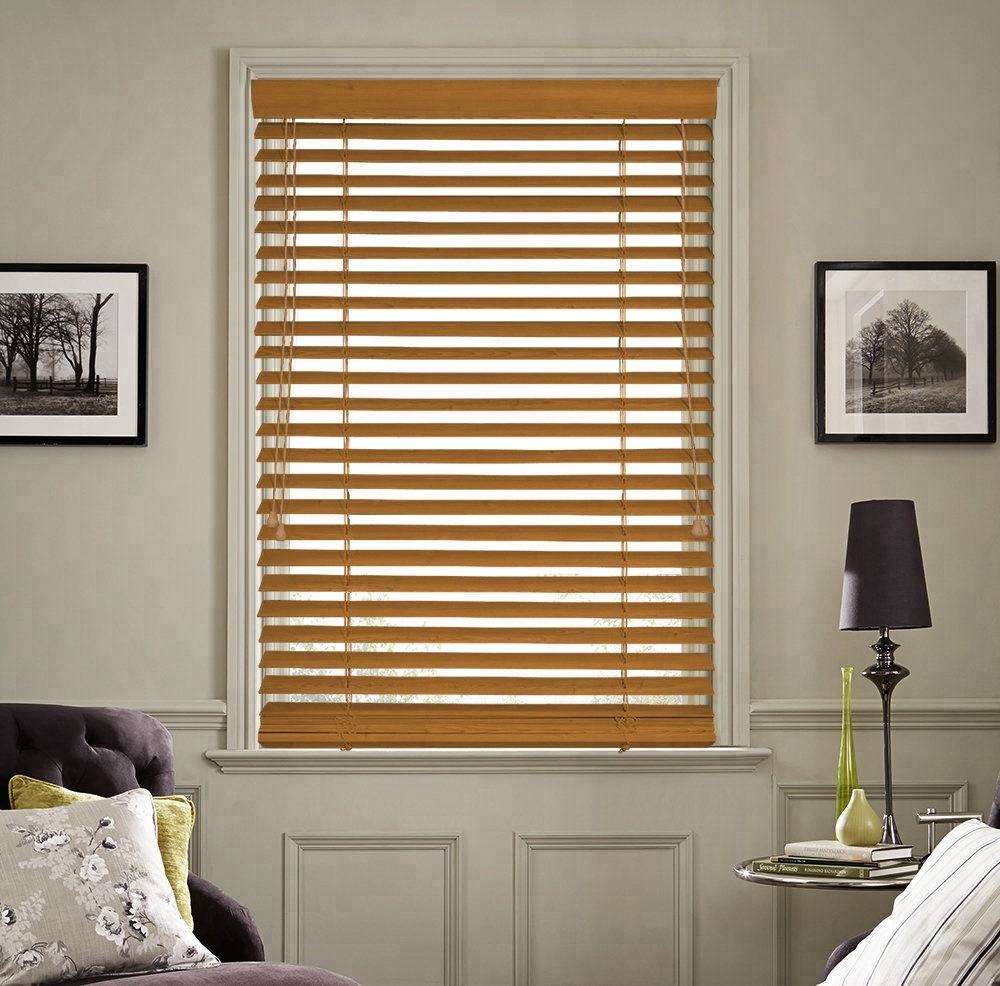
Interior Design
The Psychology of Interior Design
Key Takeaways
- Interior design impacts mood, productivity, and overall well-being.
- Curtain Master specializes in creating spaces that balance aesthetic and emotional needs.
- Color, texture, and layout are key elements in designing spaces that influence psychology.
How Interior Design Impacts Psychology
Interior design is more than aesthetics; it profoundly affects how we think, feel, and behave in a space. Thoughtful design considers elements that evoke specific emotions and foster mental clarity. At Curtain Master, we understand how to design spaces that not only look beautiful but also feel harmonious.
The Role of Color in Interior Design
1. Emotional Responses to Color
Colors evoke emotions and set the tone for a room. Popular choices include:
- Warm Colors (Red, Yellow, Orange): Stimulate energy and creativity.
- Cool Colors (Blue, Green, Purple): Promote calmness and focus.
- Neutral Tones (Gray, Beige, White): Offer balance and versatility.
2. Layering Colors
Create depth and interest by combining:
- A dominant color for walls or large furniture.
- Accent colors for curtains, pillows, or artwork.
Curtain Master offers custom curtain designs in a range of colors to match any mood.
The Importance of Texture
1. Adding Depth
Textures create visual and tactile interest in a room. Options include:
- Soft Textures (Velvet, Cotton): For a cozy and inviting atmosphere.
- Hard Textures (Wood, Metal): To add structure and modernity.
2. Layering Textures
Combine multiple textures for a balanced look:
- Pair smooth leather sofas with fluffy throws.
- Use textured rugs beneath sleek furniture for contrast.
Lighting and Mood
1. Natural Light
Maximizing natural light boosts mood and energy. Use:
- Sheer curtains from Curtain Master to diffuse sunlight without blocking it.
- Mirrors to reflect light and brighten darker spaces.
2. Artificial Lighting
Choose lighting that enhances the room’s purpose:
- Warm Lighting: Ideal for relaxation areas like living rooms or bedrooms.
- Cool Lighting: Better suited for workspaces or kitchens.
3. Layered Lighting
Incorporate different light sources, such as:
- Overhead fixtures for general illumination.
- Task lights for focused activities.
- Ambient lighting for mood enhancement.
Furniture Placement and Flow
1. Promote Comfort and Functionality
Arranging furniture to encourage interaction and accessibility is key. Tips include:
- Position seating to facilitate conversation.
- Avoid clutter by keeping walkways clear.
2. Define Zones
Use furniture and decor to establish zones within open-concept spaces:
- A rug can delineate a sitting area.
- Curtains can section off private spaces.
Decor and Personalization
1. Add Meaningful Decor
Surround yourself with items that evoke positive emotions, such as:
- Family photos or heirlooms.
- Artwork that reflects your taste.
2. Bring Nature Indoors
Incorporating plants has proven psychological benefits, including:
- Reduced stress levels.
- Improved air quality.
Spaces for Specific Needs
1. Relaxation Spaces
Design a calming space for unwinding:
- Use neutral or cool colors.
- Incorporate soft textures like plush rugs and thick curtains.
2. Workspaces
A productive workspace requires:
- Adequate lighting for focus.
- Organized storage to reduce visual clutter.
3. Social Spaces
Encourage interaction with:
- Comfortable seating arrangements.
- Warm colors and adjustable lighting.
How Curtain Master Enhances Design Psychology
1. Custom Curtains for Every Mood
Our bespoke curtain solutions match the color, texture, and function of your space.
2. Expert Design Advice
We provide guidance on integrating elements like lighting, decor, and furniture for psychological harmony.
3. Quality and Durability
Our products are crafted to last, ensuring consistent beauty and functionality.
Practical Tips for a Psychology-Driven Design
- Start with Color: Choose a palette that aligns with the room’s purpose.
- Layer Textures: Combine soft and hard textures for balance.
- Prioritize Lighting: Use a mix of natural and artificial light to set the mood.
- Declutter Regularly: A tidy space promotes mental clarity.
With the right interior design strategies, you can create spaces that enhance mood, productivity, and well-being. Curtain Master is here to help you transform your home into a sanctuary of beauty and harmony.

