


Interior Design
Incorporating Industrial Elements
Key Takeaways
- Industrial style relies on raw textures, exposed materials, and minimal ornamentation to create bold, modern spaces.
- Incorporating items like metal, wood, concrete, and neutral palettes helps anchor the industrial look while keeping spaces inviting.
- Curtain Master’s offerings of wall cladding & beams, wooden flooring, wallpaper, and structural pieces form the backbone for integrating industrial elements.
- Balancing harsh materials with soft furnishings like curtains, blinds, and upholstery restores comfort.
- Lighting, hardware, and finishes are the final touches that elevate the industrial vibe without turning a space cold.
What Industrial Style Brings to Interiors
Core Aesthetic Features
- Use of raw or unfinished materials such as exposed brick, concrete, steel, and timber beams.
- Minimalist form with functional elements exposed — ductwork, piping, or metal supports.
- Open spaces with high ceilings, neutral tones, and an emphasis on light and shadow.
Why Industrial Works
- Offers a modern, edgy feel that pairs well with urban homes, lofts, and renovated warehouses.
- Materials are often durable, simple to maintain, and long-lasting.
- It gives flexibility to mix textures—hard & soft, cool & warm—while maintaining visual consistency.
Materials & Surfaces to Use
Wall Cladding & Beams
- Exposed beams or faux timber supports bring structural depth.
- Wall cladding using materials like reclaimed wood or corrugated metal adds character and texture.
Wooden Flooring
- Floorboards with natural grain, wide planks, or weathered finishes mimic warehouse floors.
- Choice of wood tones—light grey, driftwood, or darker charcoals—reinforces industrial mood.
Wallpaper & Wall Finishes
- Use of wallpaper that mimics concrete, brick, or rusted metal textures creates focal walls without heavy construction.
- Removing excess decoration keeps walls clean and allows industrial textures to stand out.
Soft Furnishings & Contrast Layers
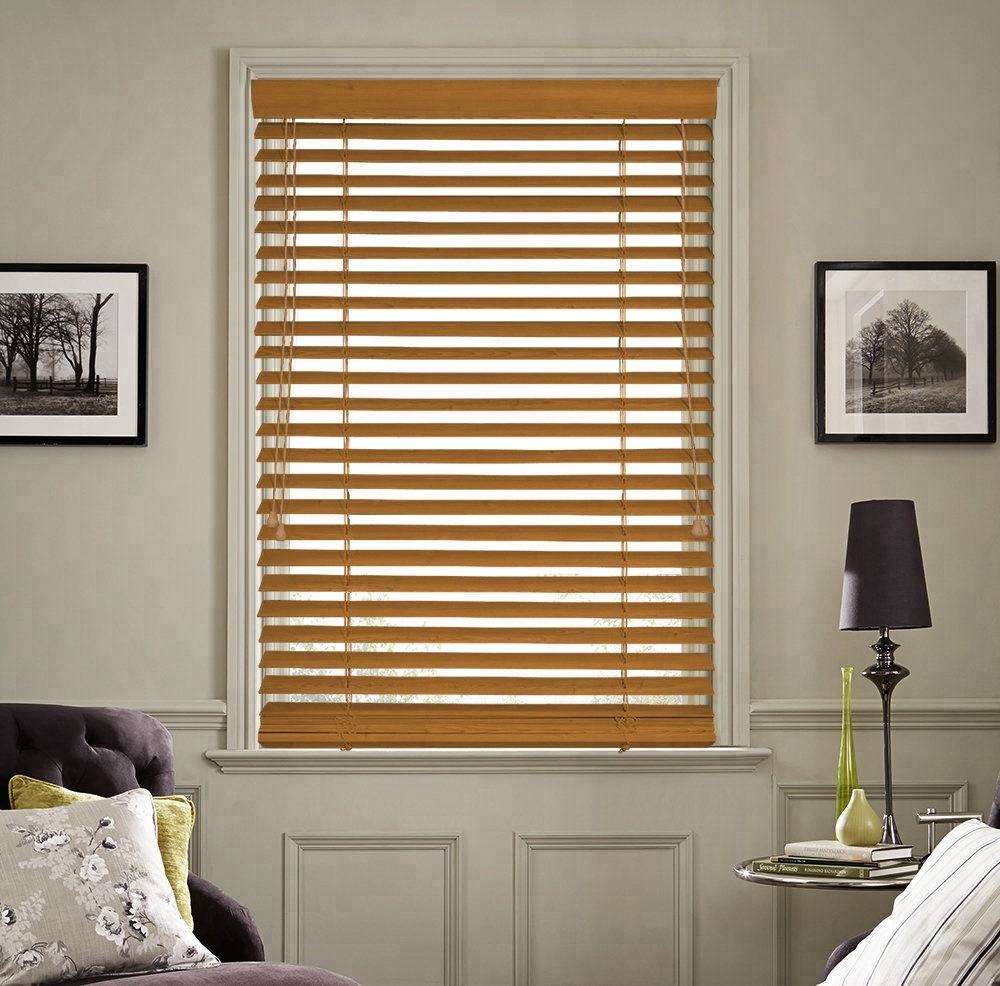
Curtains, Blinds, Upholstery
- Heavy linens, raw or textured fabrics, and neutral shades for curtains and blinds counterbalance raw surfaces.
- Use of sheers or subtle linings softens the light and texture contrast.
Headboards and Upholstery Features
- Upholstered headboards with leather or distressed fabrics introduce warmth.
- Scatter cushions or upholstery in warmer or softer tones ensure comfort in industrial spaces.
Colour Palette, Lighting & Details
Neutrals with Accents
- Base palette: greys, blacks, whites, browns, and metallics.
- Accent colours from aged copper, rust, or muted ochre can punctuate the scheme without overwhelming.
Lighting Choices
- Edison bulbs, exposed filament pendants, and track lighting suit industrial interiors.
- Fixtures in black, gunmetal, or brass finishes enhance the authenticity.
Hardware & Finishes
- Use raw or matte metals for door handles, knobs, curtain rods.
- Finishes with patina or weathered texture add depth and interest.
How Curtain Master Helps You Blend Industrial into Your Home
- Curtain Master offers wall cladding & beams to lend structural character fitting industrial design. Their collection enables installations that look raw yet refined. (Extracted from their Interior Design page)
- Their wooden flooring provides natural textures and tones ideal for flooring in industrial-inspired spaces—wide planks or weathered finishes amplify the style. (From the same page)
- The wallpaper options mimic raw materials and structural textures, allowing feature walls without heavy construction.
- Curtains, blinds, and upholstery selections from Curtain Master soften and balance the raw materials while maintaining cohesion.
Design Tips from Curtain Master for Industrial Integrations
- Mix hard surfaces (concrete, metal, raw wood) with soft elements (textiles, rugs, cushions) to avoid coldness.
- Leave structural elements exposed when possible—beams, piping—but ensure they’re clean and well-finished.
- Use lighting not just for function but as a design feature—pendants, spotlights, lamps with exposed bulbs.
- Balance proportion: large industrial furniture needs space to breathe; avoid clutter.
- Tie in hardware and fixtures in matching metallic tones to unify design.
Curtain Master offers tools, materials, and expert input so your industrial elements integrate seamlessly, creating spaces that are bold, balanced, and beautifully lived in.

