


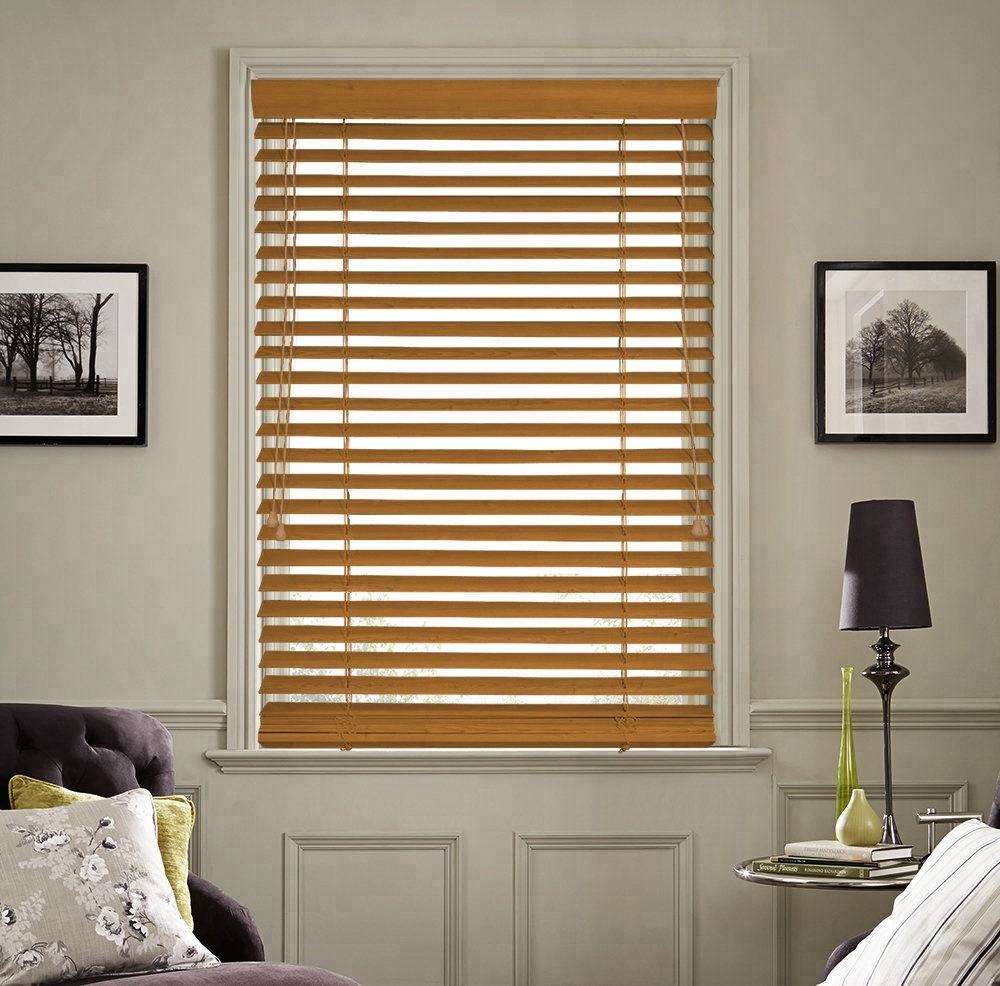
Blinds
Customising Blind Sizes: How To Order Non-Standard Width Or Length
Standard blind sizes work for some windows, but they are rarely the best answer for every room. Many homes have narrow bathroom windows, extra-wide openings, deeper recesses, shallow frames, floor-to-ceiling glazing, or older windows that are slightly out of square. In those cases, made-to-measure blinds are not a luxury. They are the only way to get the fit, finish, and function right. We offer custom blinds, roller blinds, Roman blinds, and a practical blind measuring guide to help you order with more confidence.
Ordering non-standard width or length is less complicated than many people expect. The process becomes straightforward once you know three things: whether the blind will sit inside or outside the recess, how the width should be measured, and how the drop should be recorded. Get those details right, and the final blind will look intentional instead of improvised.
Why Custom Blind Sizing Matters
A blind that is even slightly wrong in size can affect far more than appearance. If it is too narrow, you get unnecessary light gaps and a visually weak finish. If it is too long, it can bunch awkwardly or sit poorly against the sill or floor. If it is too tight inside a recess, the operation may be compromised. That is why custom sizing matters most in rooms where accuracy affects privacy, light control, and the overall quality of the installation.
This is also why made-to-measure blinds suit non-standard windows so well. We offer custom blind solutions across multiple categories, and our roller blind range highlights fabric choice, privacy, insulation, sun protection, and motorisation, while our Roman blind range can be manufactured in upholstery, curtain, or selected roller blind fabrics. That flexibility is exactly what makes custom sizing useful.
Decide Between Inside Mount And Outside Mount First
Before measuring width or drop, decide where the blind will sit. Hunter Douglas explains that an inside mount means installing the blind within the window casing for a clean, finished look, while an outside mount is used outside the frame. It also notes that an inside mount is not suitable if there is not enough depth in the recess or if obstructions such as locks, handles, or cranks will interfere.
That distinction is critical for non-standard sizes because the mount type changes the measurement method completely. Home Depot also notes that inside mounts offer a streamlined look but do not provide as much light control as outside mounts, while outside mounts extend beyond the frame for better coverage. In practical terms, that means shallow recesses, awkward hardware, or a need for better blackout performance often push the decision toward outside mount.
How To Measure Non-Standard Width Correctly
Width is where most ordering mistakes happen. Our measuring guide advises measuring inside-mount width across the top, middle, and bottom of the recess, then using the narrowest measurement so the blind fits easily. For outside mount, the guide recommends measuring the area you want to cover and adding overlap, typically around 50 to 100 mm on each side.
That matches broader industry guidance. Home Depot says inside-mount width should be measured at the top, middle, and bottom, with the narrowest width recorded because windows are not always perfectly built. It also advises using a metal tape measure and measuring accurately to the nearest 1/8 inch.
For outside mount, overlap is not a minor detail. Blinds.com recommends at least 2.5 inches of overlap on both the left and right sides of the window, and starting at least 3 inches above the top of the frame, to improve coverage and reduce light leakage. The exact overlap you choose depends on the blind style, room use, and whether you want the blind to look discreet or more architectural.
How To Measure Length Or Drop Properly
Drop is just as important as width, especially for non-standard windows. Our guide says that for an inside mount, you should measure from the top inside of the recess down to the sill or desired bottom point on the left, centre, and right, then use the longest measurement to avoid an uneven look. For outside mount, the measurement should run from the intended mounting point above the frame down to the desired finishing point.
Home Depot gives the same essential instruction for inside mount: measure height on the left, middle, and right, then record the longest measurement. That approach matters because a recess can easily vary by a few millimetres from one side to the other. On a non-standard window, those small differences are exactly what separate a neat fit from a visibly awkward one.
What To Check Before You Place The Order
A custom size should never be submitted without checking the surrounding conditions first. Our guide specifically advises recording width by drop in millimetres where required, noting any obstacles such as handles, switches, or security bars, and choosing the control side carefully so the chain or cord sits where it is practical and safe.
Depth also matters more than many buyers realise. Blinds.com advises measuring from the opening of the frame to the glass and using the smallest depth measurement, while also checking for handles or other obstructions. If the recess is too shallow, an outside mount may be required instead.
For some blind types, there are extra rules. Blinds.com notes that vertical blinds are measured differently for inside mount, with the width taken at the top of the frame only and the smallest height submitted. This is a good reminder that non-standard sizing is not only about unusual dimensions. It is also about matching the measurement method to the blind type itself.
Which Blind Types Work Best For Non-Standard Openings
Roller blinds are often one of the easiest options for custom widths and drops because they suit clean, modern lines and can be adapted for privacy, sun control, and motorisation. Our roller blind range specifically highlights simple operation, multiple fabric options, and motorised control, which makes it a practical fit for both narrow and oversized openings.
Roman blinds are often chosen where the window treatment needs more softness and a more decorative finish. Our Roman blinds can be manufactured in upholstery, curtain, or selected roller blind fabrics, which gives more design flexibility when a non-standard blind must also complement the rest of the room.
For buyers who want a more structured finish, our broader blinds range includes categories such as zebra, aluminium, fauxwood, and PVC. That wider product mix matters because the best answer for an unusual window is not always the same blind type. A bathroom recess, a kitchen window, and a large living room opening rarely need the same specification.
Common Ordering Mistakes To Avoid
The biggest mistake is assuming the window is square. The second is measuring only once. The third is ordering the finished blind based on guesswork rather than the mount type. Most sizing issues come from rushing the measurement stage, ignoring recess depth, or forgetting about handles and hardware.
Another common mistake is trying to force a standard size onto a non-standard opening to save time. In reality, that usually creates more visible problems later, from light gaps to poor alignment. A properly ordered custom blind almost always looks more expensive and performs better, even before installation begins.
When Professional Measuring Makes More Sense
Some windows are simply not worth guessing on. Bay windows, extra-wide openings, very tall drops, multiple adjacent blinds, and recesses with obstructions all benefit from professional measurement. We offer a measuring service, and our services page explains that precise window measurements are one of the most important factors in getting the right width and length.
That approach also aligns with Hunter Douglas, which recommends using a window covering professional to measure and install blinds and shades for proper fit and function. For homeowners who want to avoid costly measuring errors, that is often the smartest route.
Order Custom Blinds With Confidence
Non-standard blind sizing does not need to feel risky. Once you choose the correct mount, measure width and drop properly, account for depth and obstacles, and match the blind type to the opening, the ordering process becomes far more predictable. Accuracy is what gives custom blinds their value.
If you need blinds made to fit a difficult recess, an oversized opening, or a window that standard sizes simply cannot handle, we can help. We offer custom blinds, roller blinds, Roman blinds, and practical measuring support to make sure your order looks right and works properly. Get in touch today for expert advice and a tailored quote, and let us help you order blinds that fit your space the first time.

