


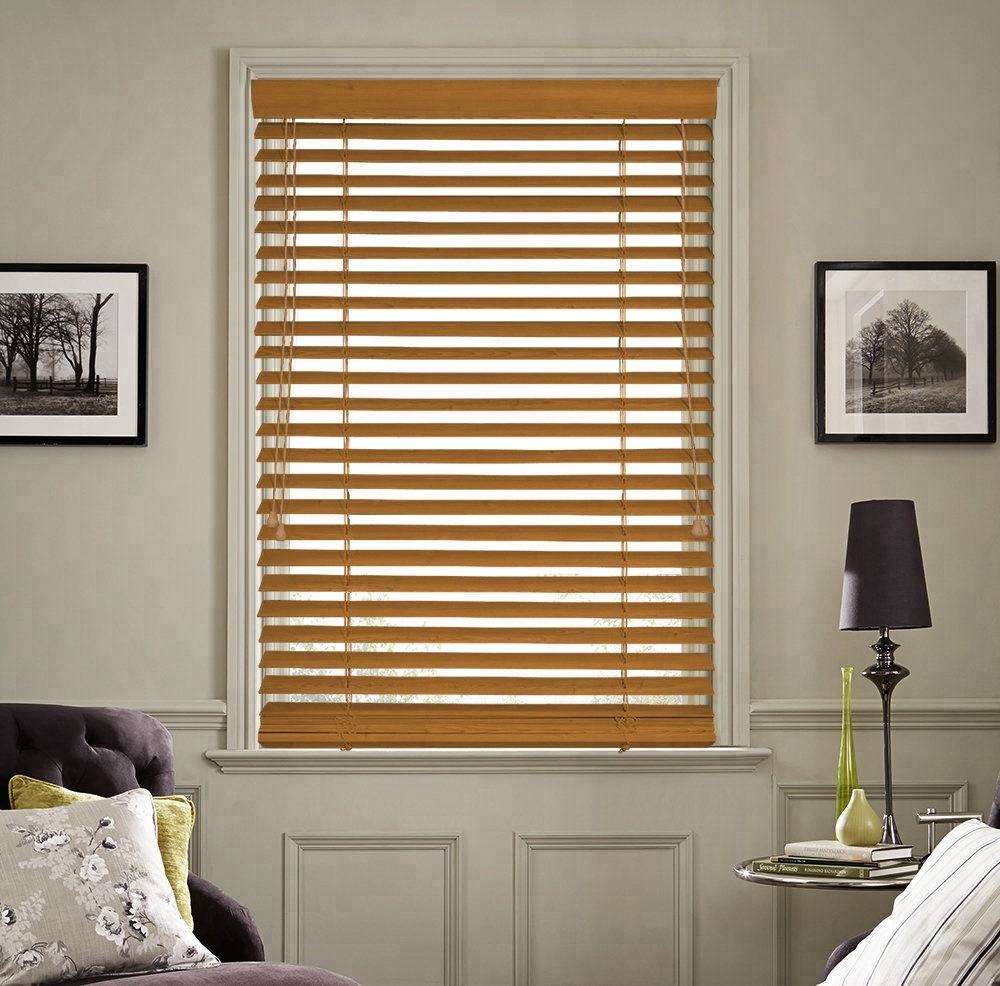
Blinds
What To Do If Your Blinds Don’t Fit: Adjustment Or Return Solutions
Buying blinds should improve your space, not create frustration. However, sizing issues are more common than many homeowners expect. Whether your blinds are too wide, too short, or simply not sitting correctly, there are practical ways to resolve the issue without unnecessary stress or expense.
Understanding your options—adjustment or return—can save time and help you achieve a professional finish in your home.
Why Blinds Don’t Always Fit As Expected
Blinds usually fail to fit properly due to measurement errors, incorrect mounting choices, or misunderstanding window styles. Even a small miscalculation can lead to gaps, uneven alignment, or poor light control.
According to guidance on proper home efficiency planning, accurate window covering installation directly impacts comfort and energy efficiency.
In many cases, the issue is not the product itself, but how the dimensions were recorded before purchase.
Common Causes Of Blinds Fitting Issues
Several factors can lead to incorrect blind sizing:
- Measuring inside the window frame instead of outside (or vice versa)
- Ignoring obstructions like handles or trims
- Selecting the wrong bracket depth
- Ordering standard sizes for non-standard windows
- Misinterpreting manufacturer measurement instructions
Even experienced DIY homeowners can make these mistakes when rushing the process.
For better accuracy, we offer a detailed measurement guide to help eliminate errors before ordering:
Can Blinds Be Adjusted After Installation?
In some cases, blinds that don’t fit perfectly can still be adjusted. This depends on the type of blind and the nature of the issue.
Minor Width Adjustments
Certain aluminium or Venetian blinds can be trimmed slightly. However, this should only be done if the manufacturer allows modifications.
Height Corrections
Roller blinds often allow adjustments to chain controls or bottom positioning to improve alignment.
Bracket Realignment
Sometimes the issue is not the blind itself but how the brackets are installed. Repositioning can resolve uneven hanging or tilting.
Professional installation advice is often recommended to avoid damaging the blind during adjustment.
Explore installation support here:
When A Return Or Replacement Is The Better Option
Not all blinds can be fixed through adjustments. A return or replacement may be necessary when:
- The blind is significantly too large or too small
- The fabric or structure has been damaged during installation
- The incorrect product type was ordered
- The mounting system is incompatible with your window
Before returning, always check product policies and ensure the issue is not solvable through simple repositioning.
You can browse suitable alternatives and product categories here:
How To Avoid Blinds That Don’t Fit
Prevention is always better than correction. Proper measuring is the most important step in ensuring your blinds fit perfectly the first time.
Measure Twice, Order Once
Take multiple measurements of width and height, as windows are not always perfectly square.
Decide Inside Or Outside Mount
Inside mounts require precise measurements, while outside mounts allow slight flexibility.
Account For Obstructions
Handles, tiles, and uneven surfaces must be considered before ordering.
Consumer guidance on home improvement products consistently highlights measurement accuracy as a key factor in avoiding installation errors.
Professional Help Makes A Difference
If you are unsure about sizing or installation, professional assistance can prevent costly mistakes. Expert support ensures:
- Accurate measurement assessment
- Correct blind type selection
- Proper fitting for long-term durability
- Clean, balanced installation results
We offer expert guidance and installation support to help you achieve a flawless finish without guesswork.
Final Thoughts
Blinds that don’t fit can feel like a setback, but the solution is usually straightforward. Whether through adjustment, replacement, or professional correction, you have multiple ways to restore both function and appearance.
The key is identifying the problem early and choosing the right response—rather than forcing a fix that may damage the product.
With the right support and accurate planning, you can still achieve a clean, polished look that enhances your space.
Frequently Asked Questions (FAQs)
1. Can blinds be trimmed if they are too wide?
Some types, like aluminium Venetian blinds, can be trimmed carefully. However, not all blinds are designed for resizing.
2. What should I do if my blinds are too short?
Short blinds usually cannot be extended. In most cases, replacement is the best solution.
3. Is it better to measure inside or outside the window frame?
It depends on the look you want. Inside mounts require precise measurements, while outside mounts offer more flexibility.
4. Can installation errors make blinds look like they don’t fit?
Yes. Poor bracket alignment or uneven mounting can make correctly sized blinds appear incorrect.
5. Should I hire a professional to measure blinds?
If you are unsure or dealing with multiple windows, professional measuring reduces the risk of costly mistakes and ensures accuracy.

