


Interior Design
Where Do You Start When Designing a Room?
Key Takeaways:
- Discover the initial steps in designing a room, from assessing your space to selecting a style.
- Learn how Curtain Master approaches the room design process.
- Gain insights into making your room both functional and aesthetically pleasing.
Introduction
Designing a room can be an exciting yet daunting task. Knowing where to start is key to creating a space that is both beautiful and functional. At Curtain Master, the journey of room design begins with a few essential steps to ensure that every aspect of your vision comes to life.
Step 1: Assessing Your Space
Understanding the Layout
The first step in designing any room is to understand its layout. Assess the size, shape, and natural flow of the space.
- Room Dimensions: Measure the space to understand what can fit.
- Natural Light: Take note of how light enters the room.
Step 2: Determining the Function of the Room
Purpose and Functionality
Every room serves a purpose, and understanding this is crucial for effective design. Whether it’s a bedroom, living room, or home office, its function will guide your design choices.
- Primary Use: What will the room be used for?
- Furniture Needs: What furniture is necessary for the room’s function?
Step 3: Selecting a Design Style
Choosing Your Aesthetic
Selecting a design style helps in creating a cohesive look. Whether you prefer modern, traditional, or eclectic, your chosen style will be the foundation of your design decisions.
- Preferred Style: Decide on a style that reflects your taste.
- Inspiration: Look for design inspiration in magazines or online.
Step 4: Creating a Color Scheme
Color Palette Selection
Colors can dramatically alter the mood of a room. Choose a color scheme that complements your style and enhances the room’s atmosphere.
- Dominant Color: Pick a primary color to guide your palette.
- Accent Colors: Choose additional colors for accents and highlights.
Step 5: Planning the Layout
Furniture Placement and Flow
Arrange furniture in a way that maximizes space and enhances room functionality. Consider the flow of movement and how the room will be navigated.
- Furniture Arrangement: Plan where each piece of furniture will go.
- Flow and Accessibility: Ensure the layout allows for easy movement.
Step 6: Choosing Flooring and Window Treatments
Foundational Elements
Flooring and window treatments are foundational elements in room design. They should align with both the style and color scheme of the room.
- Flooring Choices: Select flooring that complements the overall design.
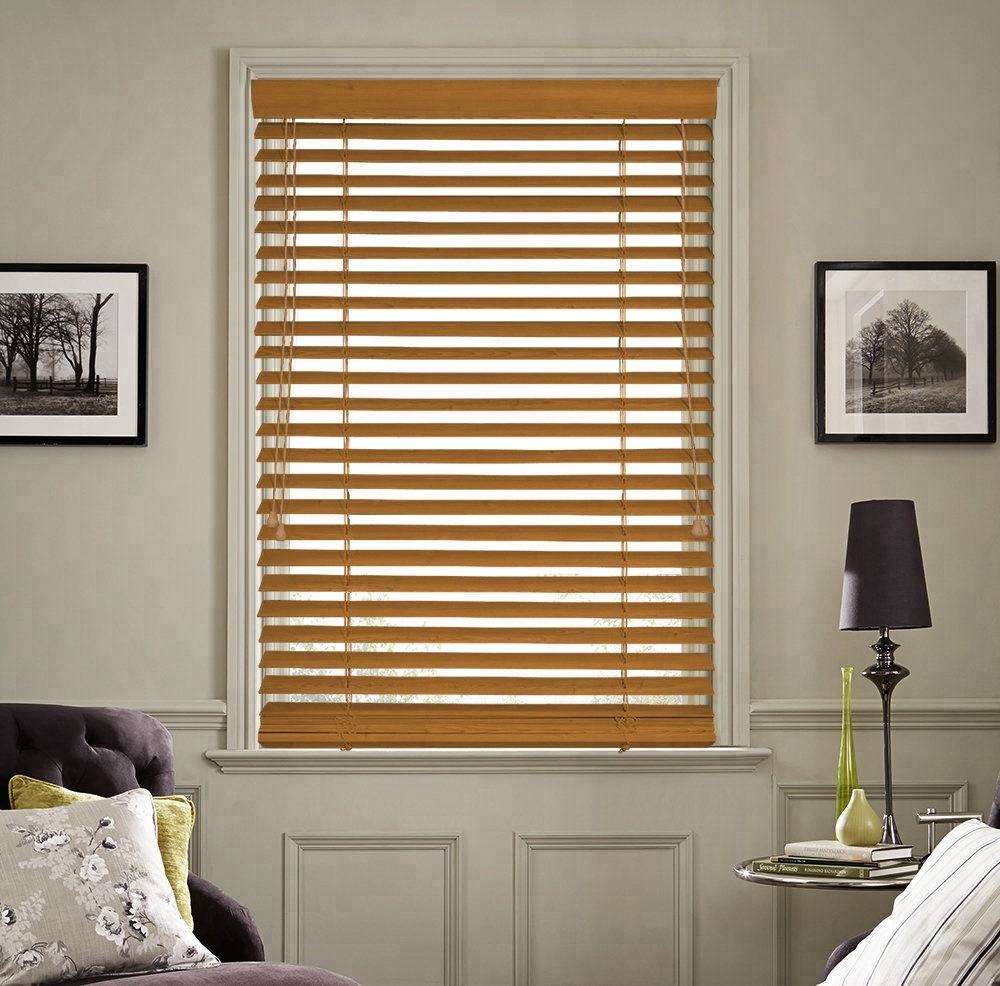
- Window Treatments: Consider curtains, blinds, or shades from Curtain Master.
Step 7: Selecting Lighting
Illumination and Ambiance
Lighting plays a crucial role in setting the room’s ambiance. Combine different lighting sources for functionality and mood setting.
- Main Light Source: Choose overhead lighting or a large fixture.
- Accent Lighting: Add lamps or wall lights for additional illumination.
Step 8: Accessorizing the Room
Personal Touches
Accessories add personality and character to a room. Include items like artwork, throw pillows, and decorative objects that reflect your personal style.
- Decorative Items: Choose accessories that complement the room’s style.
- Artwork: Select pieces that resonate with the room’s aesthetic.
Step 9: Review and Revise
Fine-Tuning Your Design
Once all elements are in place, review the room as a whole. Make adjustments as needed to ensure everything works harmoniously together.
- Overall Harmony: Ensure all elements work well together.
- Adjustments: Don’t be afraid to make changes if something doesn’t feel right.
Curtain Master’s Approach to Room Design
Expert Guidance
Curtain Master provides expert guidance throughout the room design process, helping clients bring their vision to life with professional insight and creative solutions.
- Professional Consultation: Benefit from expert advice.
- Custom Solutions: Tailored design services to meet individual needs.
Comparing Design Styles
| Styles | Characteristics | Curtain Master’s Offerings |
| Modern | Clean lines, minimalistic | Contemporary furniture and decor |
| Traditional | Classic, elegant | Rich fabrics, classic furniture |
| Eclectic | Diverse, unique | Mix of styles and periods |
Incorporating Trends in Room Design
While focusing on timeless design, Curtain Master also keeps up with current trends, ensuring your space remains both modern and stylish.
- Trend Integration: Adding contemporary elements to your design.
- Timeless Core: Ensuring the room’s design remains relevant over time.
Room design is an art and a science, blending aesthetics with functionality. By following these steps, you can create a space

