


Uncategorized
What Materials to Use for Upholstery That Lasts
When investing in upholstered furniture, durability should be just as important as style. Sofas, chairs, headboards, and soft furnishings experience daily use, making fabric choice one of the most critical decisions in interior design.
The right upholstery material can withstand years of sitting, lounging, pets, children, and sunlight without losing its structure or appearance. The wrong choice can lead to premature fading, fraying, sagging, and constant maintenance.
If you want upholstery that lasts, here is what you need to know about choosing the best materials for longevity and performance.
Why Upholstery Material Matters
Upholstery fabric does more than define the look of your furniture. It directly affects:
- Durability
- Comfort
- Ease of cleaning
- Resistance to fading
- Overall lifespan
High-quality materials combined with expert craftsmanship ensure that your investment holds up over time.
If you are considering custom soft furnishings, curtains, or coordinated upholstery, professional guidance makes a noticeable difference. Curtain Master offers tailored fabric solutions designed for both style and durability.
Understanding Fabric Durability Ratings
Before choosing upholstery fabric, it is important to understand durability ratings.
Many fabrics are tested using abrasion tests such as the Martindale or Wyzenbeek method. These tests measure how well a fabric withstands rubbing over time.
For residential furniture:
- 15,000 to 25,000 rubs is suitable for moderate use
- 25,000 to 40,000 rubs is ideal for heavy use
- 40,000 plus rubs is considered high durability
If your furniture will be used daily, especially in living rooms, aim for fabrics with higher durability ratings.
Best Upholstery Materials for Longevity
1. Polyester and Synthetic Blends
Polyester is one of the most durable and versatile upholstery materials available. It resists stretching, shrinking, and wrinkling while maintaining colour vibrancy.
Advantages include:
- Strong resistance to wear
- Easy maintenance
- Good stain resistance
- Affordable pricing
Synthetic blends combine durability with comfort, making them ideal for family homes.
2. Microfibre
Microfibre is tightly woven and highly resistant to stains and abrasion. It is especially popular in homes with children or pets.
Benefits include:
- Easy cleaning
- Soft texture
- Resistance to claw marks
- Minimal fading
Because of its tight weave, it does not easily trap dirt or debris.
3. Leather
Genuine leather is one of the longest-lasting upholstery materials when properly maintained.
High-quality leather can last decades, developing character over time. It resists punctures better than many fabrics and is relatively easy to wipe clean.
However, leather requires conditioning and can be affected by direct sunlight. Pairing leather furniture with quality window treatments helps protect it from UV damage.
4. Performance Fabrics
Performance fabrics are engineered for durability. These fabrics are treated or manufactured to resist:
- Stains
- Moisture
- Fading
- Wear
They are ideal for high-traffic areas and households that require low-maintenance materials.
Performance upholstery is increasingly popular in modern interiors due to its balance between comfort and resilience.
5. Acrylic and Solution Dyed Fabrics
Solution-dyed acrylic fabrics are particularly resistant to fading. The colour is added during fibre production, meaning it penetrates deeply rather than sitting on the surface.
This makes them excellent for areas exposed to strong sunlight.
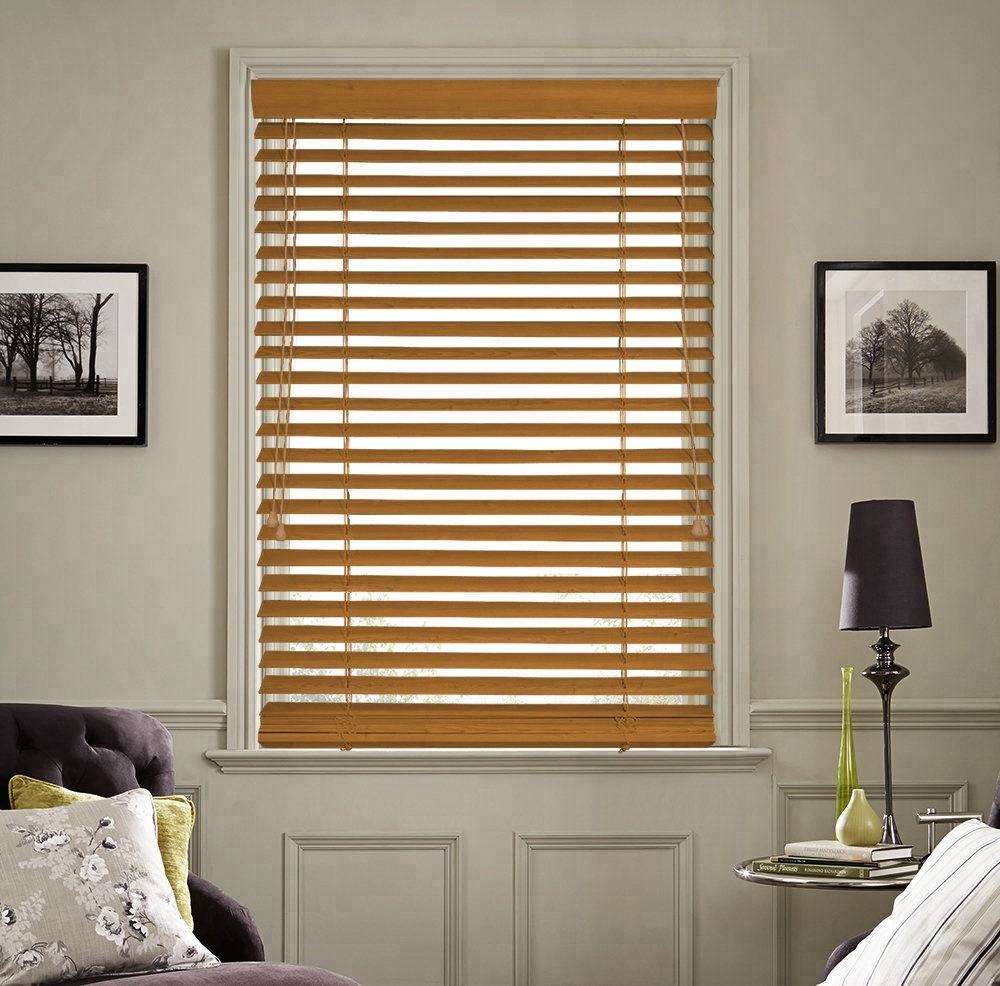
If your furniture is placed near large windows, combining fade-resistant upholstery with UV-blocking blinds can significantly extend the lifespan.
Materials That May Require More Care
While many natural fabrics are beautiful, some require more maintenance.
Cotton
Cotton is breathable and comfortable, but it can wrinkle and fade more easily than synthetic blends. Treated cotton blends perform better than pure cotton.
Linen
Linen offers a relaxed, elegant look but is prone to wrinkling and may show wear faster in high-traffic areas.
Silk
Silk is luxurious but delicate. It is best reserved for decorative pieces rather than frequently used furniture.
If choosing natural fibres, consider using them in lower traffic areas or combining them with protective window coverings.
Sunlight and Upholstery Longevity
Sunlight is one of the biggest threats to upholstered furniture. Direct UV exposure causes fading, drying, and weakening of fibres.
Protect your upholstery by:
- Installing UV filtering blinds
- Using layered curtains
- Positioning furniture away from direct sunlight
Curtain Master offers custom blinds and curtains that help regulate light while enhancing your interior design.
Weave and Texture Matter
Beyond material type, weave construction affects durability.
Tightly Woven Fabrics
Tighter weaves resist snagging and stretching. They are ideal for everyday furniture.
Textured Weaves
Textured fabrics can help hide minor wear and stains, extending the visual lifespan of your furniture.
Patterned Fabrics
Patterns can disguise small imperfections and make upholstery look newer for longer.
Frame and Cushion Support
Durable upholstery also depends on what lies beneath the fabric.
A strong hardwood frame and high-density foam cushions are essential for long-term performance. Even the most durable fabric will not compensate for poor internal structure.
When investing in upholstered pieces, ask about both fabric quality and construction standards.
Maintenance Tips for Long-Lasting Upholstery
To extend the lifespan of your upholstered furniture:
- Vacuum regularly to remove dust and debris
- Rotate cushions to ensure even wear
- Address spills immediately
- Use professional cleaning services when necessary
- Protect from excessive sunlight
Regular care ensures your chosen fabric maintains its appearance and structure.
Coordinating Upholstery with Window Treatments
Upholstery longevity is closely linked to environmental factors. Heat, light, and humidity all affect fabric performance.
Layered window treatments, such as curtains combined with blinds, help regulate:
- Light exposure
- Indoor temperature
- UV damage
Custom window solutions not only protect furniture but also create a cohesive interior design.
Final Thoughts
Choosing upholstery that lasts requires thoughtful consideration of material, weave, durability ratings, and environmental factors. Polyester blends, microfibre, leather, and performance fabrics offer excellent resilience for everyday living.
While natural fibres provide beauty and texture, they often require more care and protection.
By combining high-quality upholstery materials with appropriate window treatments and proper maintenance, you can create a home that remains stylish and comfortable for years to come.

