


Curtains
Best Fabrics for Curtains in High Traffic Areas
Choosing curtains for a formal guest room is one thing. Choosing them for a busy lounge, family room, hallway window, or patio-facing living space is something else entirely. In high traffic areas, curtains need to do more than look good. They need to hold their shape, cope with regular handling, resist dust and fading, and stay practical to clean.
That is where fabric choice becomes a design decision and a performance decision. The wrong fabric can crease too easily, trap dust, lose colour, or start looking tired long before the rest of the room does. The right one keeps its structure, works with daily life, and still gives the room softness and finish.
We offer custom curtains, a wide range of curtain fabrics, practical sheers, and blinds for homes that need both style and durability. Our curtain range includes multiple heading styles, while our fabric and blind categories cover options suited to different room conditions and levels of wear.
What Counts As a High Traffic Area
A high traffic area is any part of the home where window treatments are exposed to regular use, movement, dust, sunlight, or accidental contact. That usually includes family lounges, open-plan living areas, passages, children’s rooms, dining spaces near patios, and windows close to doors. These rooms tend to see more opening and closing, more airborne dust, and more contact from children, pets, or furniture placement.
Maintenance matters more in these spaces, too. Southern Living reports that homes with pets, dusty conditions, or humid conditions often need curtain cleaning as often as every three months, while many households should still aim for every six to twelve months with interim vacuuming or shaking out. That is a useful reminder that in busy rooms, washability and easy upkeep should be part of the buying decision from the start.
The Best Curtain Fabrics for Busy Rooms
Polyester and Polyester Blends
For most high traffic areas, polyester or a good polyester blend is the strongest all-around choice. Better Homes & Gardens notes that synthetic fabrics such as polyester are durable, wrinkle-resistant, affordable, long-lasting, and easy to clean. Martha Stewart also describes polyester as low-maintenance and budget-friendly, which makes it a reliable option when convenience matters as much as appearance.
That is why polyester blends work so well in family lounges, TV rooms, entrance-adjacent windows, and general everyday living spaces. They tend to hold their shape better than more delicate natural fabrics, and they usually cope better with repeated handling. If your goal is a curtain that looks neat without constant upkeep, this is often the safest place to start.
Cotton Blends
Cotton remains a strong option, especially when you want a softer, more natural finish than a fully synthetic drape. Martha Stewart notes that cotton is light, breathable, and easy to care for, while Better Homes & Gardens describes it as versatile and easy to maintain. The trade-off is that cotton can fade in direct sunlight and is generally less insulating than heavier fabrics.
In high traffic areas, cotton blends usually make more sense than pure cotton. They give you some of the softness and natural appeal of cotton while improving durability and day-to-day practicality. For lounges and dining rooms, this balance often works very well.
Linen Blends
Linen looks refined for a reason. It softens light beautifully, gives a room an easy elegance, and works across modern, coastal, and classic interiors. Martha Stewart highlights linen’s attractive drape and notes that it can be machine washable or dry cleanable, while Better Homes & Gardens points out that linen is airy and breathable but prone to wrinkling and offers limited privacy on its own.
For a genuinely busy room, pure linen is not always the most forgiving option. A linen blend is usually the smarter specification. It gives you the visual softness people want from linen, with a little more resilience and less fuss. That makes it better suited to high-use living areas where the curtains still need to look polished after regular use.
Velvet for Select High Traffic Spaces
Velvet is not the universal answer for busy rooms, but it has a place. Martha Stewart notes that velvet is heavy, helps insulate against heat and cold, and blocks light effectively, but it also collects dust and needs more frequent vacuuming.
That means velvet can work in high traffic rooms where you want a more formal or luxurious look and are prepared to maintain it properly. It is often better in formal lounges, media rooms, or bedrooms than in dusty, pet-heavy family areas. Used well, it adds depth and durability, but it is not the lowest-maintenance option on this list.
Fabrics That Are Less Practical for High Traffic Areas
Silk usually falls into the category of beautiful but demanding. Martha Stewart notes that silk is harder to care for and more vulnerable to UV and water damage. In a room that sees constant movement, sunlight, or frequent touching, it is rarely the most practical choice.
Standalone sheers also need to be specified carefully. Better Homes & Gardens notes that sheer curtains are primarily decorative and do not offer privacy. In busy rooms, they work best as part of a layered treatment rather than the only fabric at the window.
Why Layering Often Works Better Than One Fabric Alone
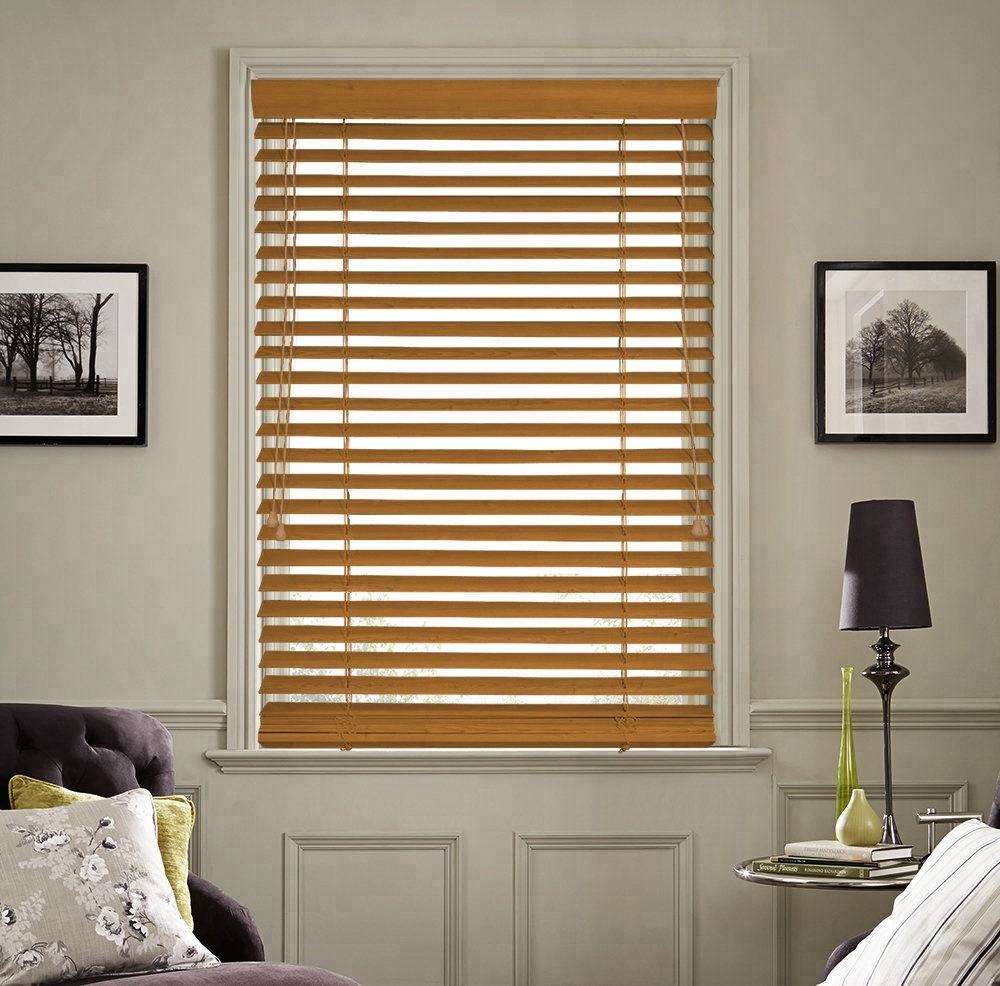
In many busy homes, the best answer is not a single curtain fabric but a layered solution. We offer sheers for softer light control and blinds where a more structured, lower-maintenance option makes sense. Our blinds range includes multiple categories, and our product content specifically notes that durable blinds perform well in high traffic and high-humidity areas, with reinforced construction and easier cleaning in demanding spaces.
This matters most on patio doors, wide openings, and rooms with children or pets. Our recent guidance on busy, pet-friendly interiors also highlights tightly woven fabrics, durable blinds, and easy-clean finishes as practical choices for everyday wear. In some homes, that means pairing a more durable curtain with a blind. In others, it means using blinds alone, where constant handling would shorten the life of a softer drape.
What to Look for Before You Choose
When selecting curtain fabric for a high traffic area, focus on performance first and style second. That does not mean sacrificing appearance. It means choosing a fabric that can still look good after repeated use.
Pay attention to:
- how often the curtains will be opened and closed
- how much direct sun the room receives
- whether pets or children use the space heavily
- how often are you realistically willing to clean them
- whether the room needs softness, privacy, insulation, or all three
A busy family room usually needs something different from a formal sitting room. A sliding door opening usually needs something more resilient than a small side window. The best curtain specification always starts with how the room is actually used.
Practical Recommendations by Room Type
For family lounges and open-plan living spaces, polyester blends and cotton blends are usually the safest choices. They are easier to maintain, less fussy day to day, and well-suited to regular use.
For bright living rooms where you want a softer designer finish, linen blends can work well, especially when the look matters as much as practicality. They are usually a better choice than pure linen in rooms that see constant use.
For patio doors, children’s spaces, or pet-heavy areas, blinds or layered treatments are often more practical than relying on delicate curtains alone. Our own durability guidance specifically recommends stronger blind hardware and easy-clean surfaces for high traffic conditions.
Frequently Asked Questions
What Is the Most Practical Curtain Fabric for High Traffic Areas?
In most homes, polyester or a polyester blend is the most practical because it is durable, wrinkle-resistant, and easier to clean than many delicate natural fabrics.
Are Linen Curtains a Bad Idea for Busy Rooms?
Not necessarily, but linen blends are usually a better choice than pure linen. They keep the relaxed, textured look while being a little easier to live with.
Should I Use Sheers in a High Traffic Area?
Yes, but usually as part of a layered treatment rather than on their own. Sheers are useful for softening light, but they offer limited privacy and are more decorative than protective.
When Are Blinds Better Than Curtains?
Blinds are often the better option on patio doors, in pet-heavy homes, and in places where constant handling would wear softer curtains more quickly. Our blinds guidance specifically notes their suitability for high traffic and rough handling.
Choose Fabrics That Can Handle Real Life
The best curtains for high traffic areas are not always the most delicate or the most decorative. They are the ones that still look composed after daily use. In most busy homes, that means polyester blends, cotton blends, or practical linen blends, with velvet reserved for more controlled spaces and silk used sparingly.
If you need curtains that can stand up to everyday living without losing their style, we can help. We offer custom curtains, a broad range of curtain fabrics, elegant sheers, and durable blinds tailored to how your home actually functions. Get in touch today and let us help you choose a window treatment that looks refined, performs properly, and lasts in the rooms that work the hardest.

