


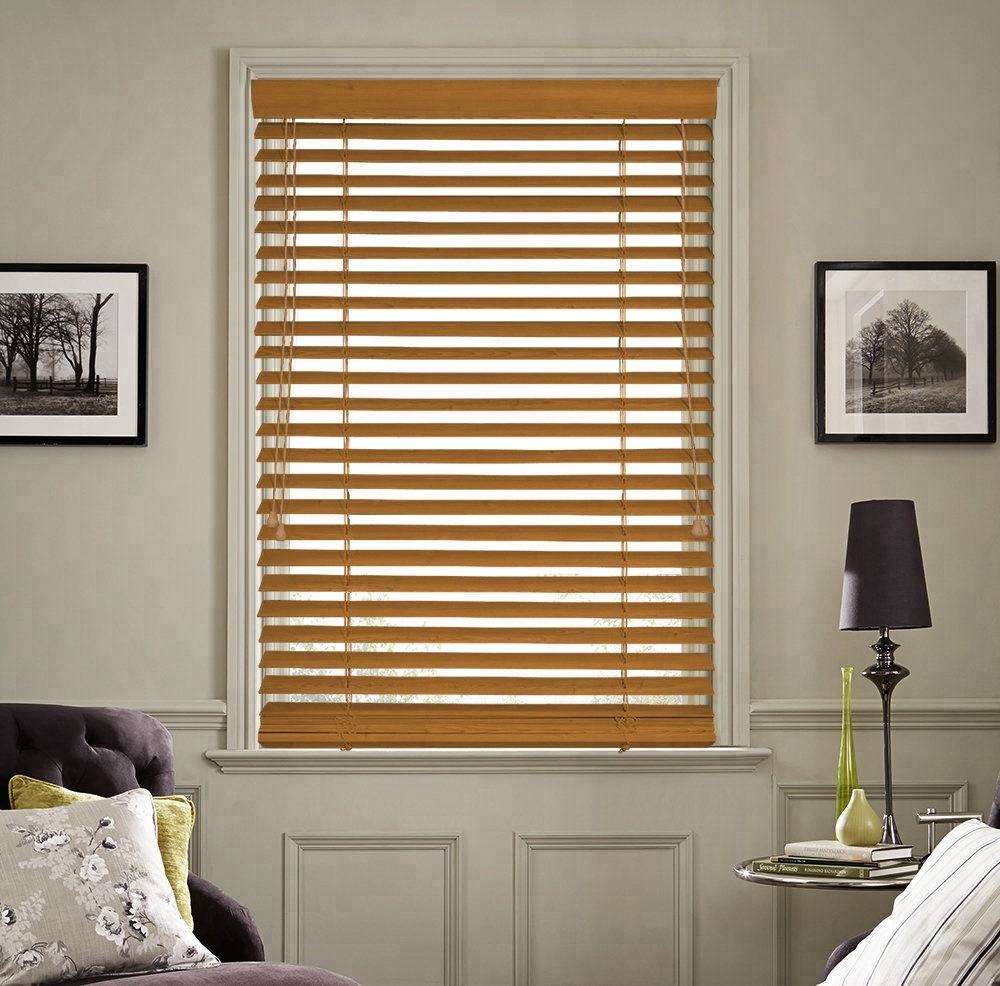
Blinds
Blinds and Curtains That Work With Burglar Bars and Security Gates
Almost every home in South Africa has burglar bars on at least some windows, and most have a security gate at a door. Both are fixed, both project into the space, and both are usually installed years before anyone thinks about window coverings. The result is a constraint that quietly rules out certain products and quietly ruins others.
It is entirely solvable. It just needs to be considered at measuring stage rather than discovered on installation day.
The measurement that matters most: clearance
Every blind has a depth. The headrail sits forward of the window, the fabric or the slats hang below it, and on a venetian or vertical blind the slats need room to rotate. If the bars sit closer to the glass than the blind needs, the blind cannot be fitted inside the window recess at all.
So before anything else, measure the distance from the face of the glass, or the window frame, to the front edge of the burglar bars. That single figure determines whether you have an inside fit option or not. Measure it at the top, the middle and the bottom, because bars are frequently not perfectly parallel to the glass.
Also note the depth of the recess itself, from the front face of the wall back to the glass. Some blinds can sit in front of the bars but still within the recess, which keeps a clean look, and that only works if the recess is deep enough.
Inside fit or face fit
An inside fit blind sits within the window recess. It looks neat and it takes up no wall space, but it is the fit that bars most often make impossible.
A face fit blind is mounted on the wall or the frame above the window and hangs down in front of everything, bars included. It costs you a little wall space above and beside the window, and it does not sit as flush, but it clears obstructions entirely. On a barred window, face fitting is usually the answer.
Two practical consequences of face fitting. Make it wider than the opening, typically extending beyond the frame on each side, so the blind covers the gap where light would otherwise leak around the edge. And check what is above the window: a curtain pelmet, a wall-mounted air conditioner, a downlight or a picture rail can all interfere with a headrail that needs a straight run.
Blind types and how they cope with bars
Roller and zebra blinds
These are usually the easiest option on a barred window. The roll sits at the top and the fabric hangs flat and close, so the depth requirement is small compared with a slatted blind. Face fitted above the frame, a roller or zebra blind clears bars without touching them.
The one thing to watch is the roll diameter on a very wide or very long blind, because more fabric on the roll means a bigger tube, which needs more clearance at the top.
Venetian and aluminium blinds
Slatted blinds need rotation space. A slat that cannot complete its turn cannot close properly, so if the blind is inside fit and the bars are close, the blind may look fitted but never fully block light. Face fitting solves it. Aluminium and fauxwood slats are both available, and on a window that is often left open behind bars, the moisture resistance of aluminium or fauxwood matters more than it would on a sealed window.
Vertical blinds
Vertical blinds have a particular advantage at sliding doors with a security gate. The vanes rotate and stack to one side, so you can open the door, the gate and the blind along the same axis. They also handle wide openings without becoming heavy, which is why they remain a standard choice for patio doors.
Check the floor clearance if the gate track sits proud of the floor, and be aware that vanes moving in a draught from an open door will knock against bars if they are mounted too close.
Panel blinds
Large fabric panels that slide past one another on a track. They suit wide openings and glass doors, and because they stack in defined positions they behave predictably around a gate. Worth considering where a vertical blind feels dated but the opening is the same shape.
Shutters
Shutters are the most demanding on space, because the louvres have to swing and the panels themselves have to open. On a window with fixed bars close to the glass, a hinged shutter usually cannot be fitted inside the recess. Shutter systems come in hinged, bi-fold and bypass configurations, and bypass panels, which slide past each other rather than swinging out, are often the workable option where swing space is limited. This is a conversation to have on site rather than from a catalogue.
Curtains at a security gate
Curtains are the most flexible option around bars, because they hang from a track or rod mounted well clear of everything. The mistake people make is not extending the track far enough.
When a curtain is fully open, the fabric bunches to the side. That bunch, the stack back, needs to sit against the wall beside the door, not across the opening. At a sliding door with a security gate, the gate stack takes up part of the opening as well, so the curtain track needs to extend far enough past the frame that curtain and gate can both be open at once. Undersize the track and you end up with a curtain that permanently obscures a third of your door.
A heading that stacks compactly helps. So does mounting the track higher and wider than feels necessary, which incidentally makes the window look larger.
Access, cords and everyday use
A few things worth thinking through before you commit:
- Keys and handles. Make sure the covering does not sit over a gate lock or a window handle in a way that makes it awkward to reach. This matters most on a door you use daily.
- Cords and chains. Where there are children in the home, cord and chain safety is worth raising directly with whoever measures the window, and it is a factor in choosing between operating systems.
- Motorisation. On a high window behind fixed bars, reaching a manual chain can be genuinely difficult. Motorised blinds and motorised curtains are available and are a practical answer to awkward access rather than only a luxury.
- Cleaning. Barred windows are harder to reach behind. A covering that can be lifted or drawn fully clear makes routine cleaning of the glass and the bars easier.
- Airflow. Many people leave barred windows open. Choose a covering that behaves in a breeze rather than one that will bang against the bars all night.
Why measuring on site settles it
Every one of the decisions above depends on a distance that has to be measured at the window. Curtain Master visits clients at home to measure each window before providing a quote, and that visit is where bars, gates, handles, air conditioners and awkward reveals get accounted for. It is also where a face fit versus inside fit call gets made with the actual window in front of you.
You can look through the blind range or the curtain range, or request a quote and mention that the windows are barred.

