


Interior Design
How to Plan Furniture Layout with Consideration for Window Treatments
Designing a functional and visually appealing room goes beyond choosing the right furniture. The placement of your pieces must work harmoniously with your window treatments to ensure optimal light, flow, and comfort. A poorly planned layout can block natural light, make windows inaccessible, or diminish the overall aesthetic.
With the right approach, you can create a space that feels balanced, practical, and stylish. Below is a professional guide to help you plan your furniture layout while keeping your curtains, blinds, or shades in mind.
Start With The Window As A Focal Point
Windows naturally draw the eye, making them a key focal point in any room. Before placing furniture, assess the size, shape, and position of your windows.
Large windows or sliding doors should remain visually open and unobstructed. Avoid placing bulky furniture directly in front of them. Instead, arrange seating or décor in a way that enhances the window rather than competes with it.
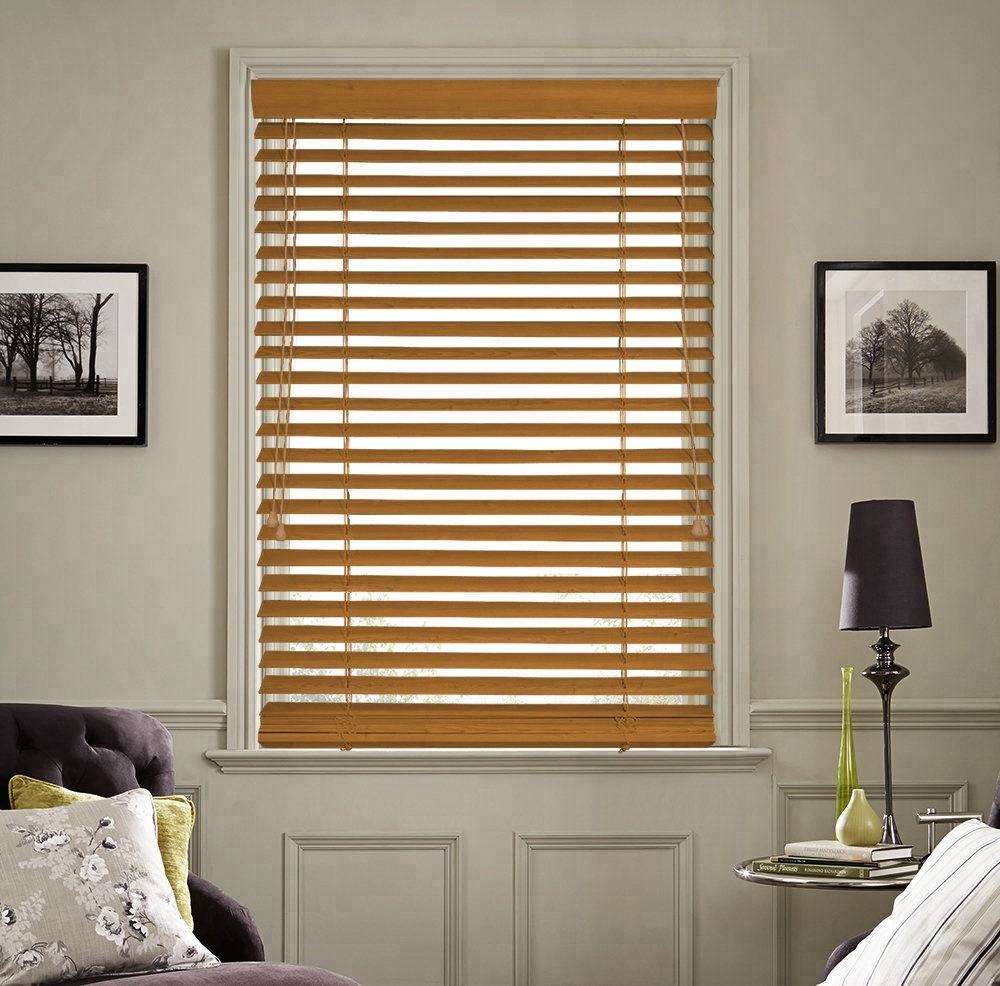
For inspiration on choosing the right window coverings, explore our guide for tailored solutions that complement your layout.
Understand The Function Of The Room
Every room has a purpose, and your furniture layout should reflect that. A living room requires open seating arrangements, while a bedroom prioritises rest and privacy.
Window treatments play a critical role in achieving these goals. For instance, blackout curtains are ideal for bedrooms, while sheer curtains suit living areas where natural light is welcome.
When planning, ensure furniture placement does not interfere with the functionality of your window coverings. Curtains should open and close freely without obstruction.
Maintain Clear Access To Windows
Accessibility is often overlooked but essential. You should be able to easily open windows for ventilation or adjust blinds and curtains without moving furniture.
Avoid placing sofas, beds, or cabinets too close to windows. Leave enough clearance for curtain movement and hardware operation. This ensures both convenience and longevity of your window treatments.
For deeper insight into functional home layouts, refer to this helpful resource.
Balance Natural Light And Furniture Placement
Natural light enhances mood, reduces energy costs, and improves the overall ambiance of your home. Poor furniture placement can block this valuable resource.
Position large furniture pieces away from windows to allow light to flow freely. Use low-profile items near windows to maintain openness.
If privacy is a concern, layered window treatments—such as combining sheer and blackout curtains—offer flexibility. Learn more about layering options here.
Consider Curtain Length And Width
The size of your window treatments directly impacts how you arrange furniture. Floor-length curtains require space to hang freely without being obstructed.
Ensure furniture does not press against curtains, as this can cause wrinkling and limit movement. Wider curtain rods also need adequate wall space, which should be factored into your layout plan.
Made-to-measure curtains allow the width, drop and heading to be planned around your room. Explore our curtains and ask about the space needed for the fabric and hardware.
Create Visual Balance In The Room
A well-designed room feels balanced, not crowded. Distribute furniture evenly around the space while keeping windows in mind.
Avoid clustering too many large items on one side, especially near windows. This can make the room feel heavy and block light distribution.
Use mirrors, rugs, and décor to enhance symmetry and reflect light from windows, creating a more spacious feel.
Work With Window Treatment Hardware
Curtain rods, tracks, and blinds mechanisms require space to function properly. When planning your layout, account for how far these elements extend into the room.
Furniture placed too close to curtain rods can interfere with operation and damage fabrics. Always allow a buffer zone to maintain both functionality and aesthetics.
For technical guidance on window treatment installation, consult this resource.
Use Zoning For Open-Plan Spaces
In open-plan areas, windows often serve multiple zones such as living, dining, and workspace areas. Your furniture layout should respect these divisions without blocking light or access.
Use rugs, lighting, and furniture arrangement to define zones while keeping window treatments consistent across the space.
This approach ensures cohesion while maximising the benefits of natural light throughout the room.
Plan For Future Flexibility
Furniture layouts should not be rigid. As your needs change, your space should adapt easily.
Choose window treatments that allow flexibility, such as adjustable blinds or layered curtains. Arrange furniture in a way that can be modified without disrupting access to windows.
This forward-thinking approach saves time and ensures long-term functionality.
Conclusion
Planning furniture layout with window treatments in mind is essential for creating a comfortable and visually appealing home. By prioritising accessibility, light flow, and balance, you can transform any room into a well-designed space.
We offer window treatments tailored to your room and layout. Our team can help check the measurements, curtain stacking space, hardware and furniture clearances before the specification is finalised.
Get in touch today to create a space that works beautifully from every angle.
FAQs
1. Should furniture be placed in front of windows?
It’s best to avoid blocking windows with large furniture. If necessary, use low-profile pieces to maintain light flow.
2. How much space should I leave between furniture and curtains?
Allow enough space for the full curtain folds, stacking area and hardware movement. The clearance depends on the fabric, heading, track and furniture position. Test the full opening and closing movement before finalising the layout.
3. What window treatments work best in small rooms?
Sheer curtains or light-coloured blinds help maximise natural light and create a sense of space.
4. Can I mix different window treatments in one room?
Yes, layering curtains and blinds can improve both functionality and style.
5. How do I ensure my layout looks balanced?
Distribute furniture evenly, avoid overcrowding near windows, and use décor elements to enhance symmetry.

