


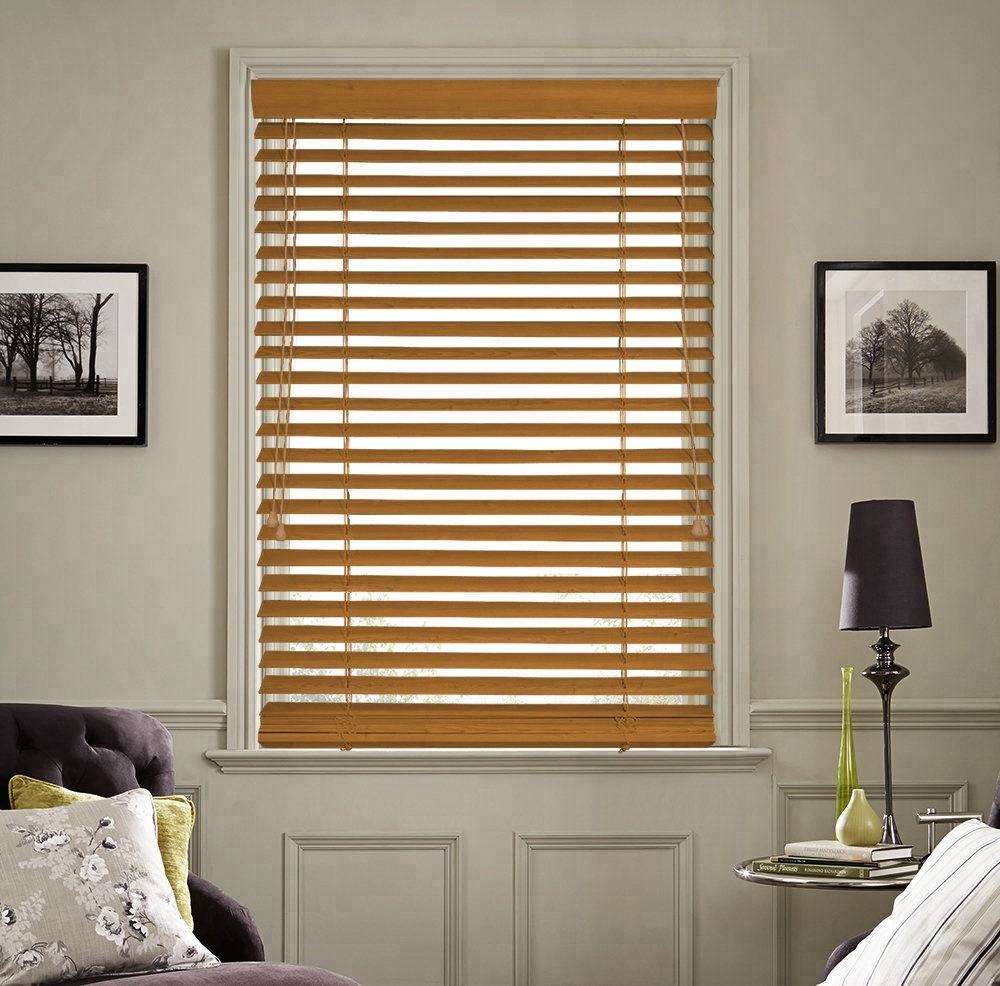
Blinds
Choosing Blinds: How to Check Environmental Material Claims
The environmental claims attached to a blind should describe the specific product you are buying. Material names such as bamboo, cotton or aluminium are useful starting points, but they do not establish the impact of the finished blind, its manufacture or its disposal.
At Curtain Master, ask us about the composition, care requirements and supplier information available for your selected blind. Confirm availability before choosing a product on the basis of an environmental claim.
What to check about materials
For bamboo or wooden blinds, ask about the material source, coatings and any certification attached to the exact product. Different FSC labels describe different sourcing or recycled-content claims; check the label and supporting documentation rather than assuming every timber product is certified.
For recycled fabric or aluminium, ask what percentage is recycled and which parts of the blind the claim covers. A material being recyclable is different from a product containing verified recycled content.
For organic cotton or other natural fibres, check the fibre content and any relevant certification. Linings, finishes, dyes and other components also matter. A natural fibre description alone does not establish that the finished blind is biodegradable, chemical-free or beneficial to indoor air quality.
Match the blind to the room
Choose living-room blinds around glare, privacy and the view you want to retain. For a bedroom, confirm the fabric’s light transmission and discuss potential edge gaps. In kitchens and bathrooms, ask whether the complete blind is suitable for the expected moisture, heat and cleaning conditions. Do not assume a bamboo product is suitable beside a sink or in a humid room.
Consider energy performance separately
Window coverings can help manage solar heat and heat loss, but results depend on the complete product, glazing, installation, climate and use. Recycled or natural content does not, by itself, establish thermal performance or guarantee lower bills.
Questions before ordering online
Ask for the material composition, supplier evidence for any environmental claim, approved care method and relevant warranty. Check the listed dimensions or obtain written measuring instructions for a custom order. Confirm whether the product and chosen finish are available, then read the applicable order terms.
Frequently Asked Questions
Which blind material is the most environmentally responsible?
There is no single answer based on the material name alone. Compare documented product claims, suitability, expected use, maintenance and disposal options.
Does recycled content make a blind more durable?
Not necessarily. Check the construction and supplier’s recommended use separately.
Can these blinds reduce energy use?
Some window coverings can support energy savings, depending on the window, product and operation. An environmental material claim is not a thermal rating.
Are bamboo blinds suitable everywhere?
Suitability depends on the selected product and its care instructions, especially in damp or exposed locations.
How can I check what Curtain Master can supply?
Contact our team with the room, blind type and finish you have in mind. Ask for availability and the supplier information relevant to any environmental claim before ordering.
Contact Curtain Master to discuss blinds for your home and the product information you need to make your choice.

