


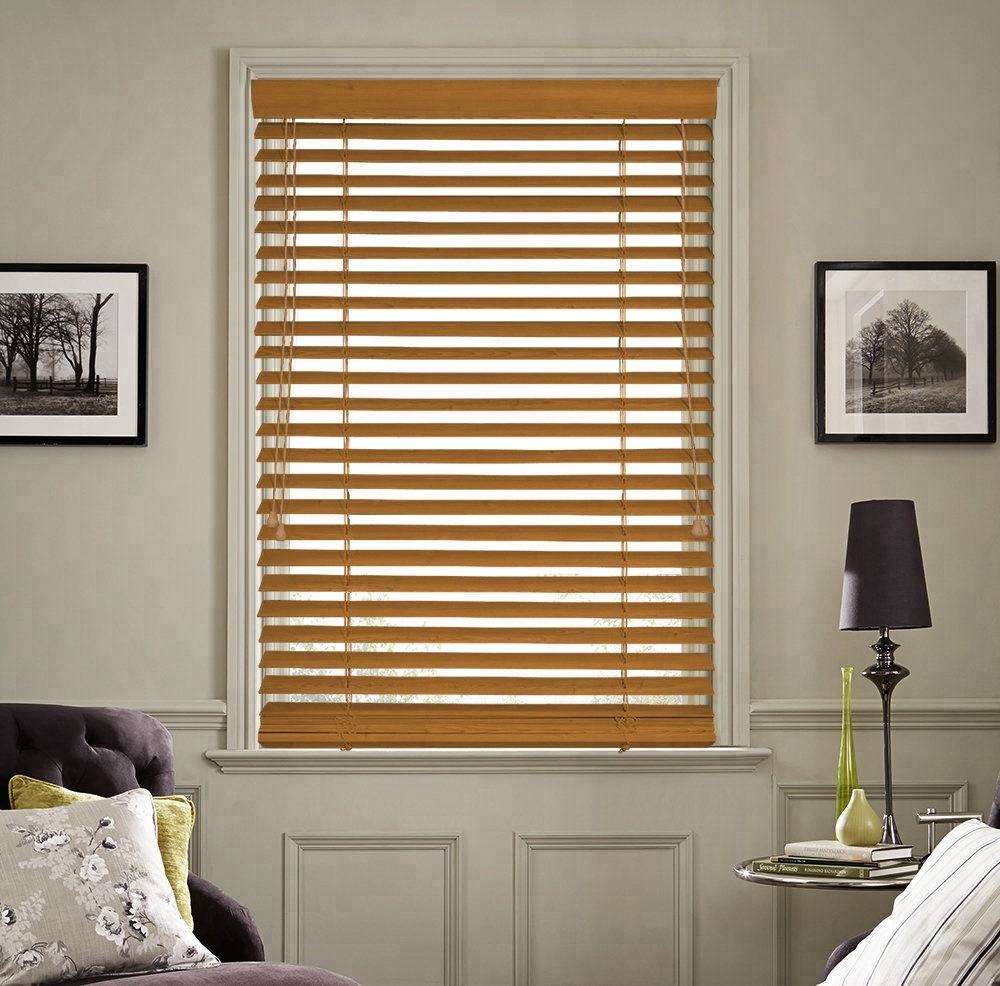
Curtains
How Curtains Define the Mood of a Living Room
The living room is the emotional heart of the home. It is where people relax after long days, entertain guests, and spend meaningful time together. While furniture and layout are important, curtains play a surprisingly powerful role in shaping how a living room feels.
Curtains influence light, privacy, acoustics, and overall atmosphere. The right choice can make a space feel calm and inviting, bold and expressive, or refined and elegant. Understanding how curtains define mood helps homeowners create living rooms that feel intentional and comfortable rather than unfinished.
Why Curtains Matter More Than You Think
Curtains are one of the largest visual elements in most living rooms. They frame windows, soften hard architectural lines, and affect how light enters the space.
Curtains influence mood by:
- Controlling natural light levels
- Adding texture and softness
- Enhancing colour balance
- Improving comfort and privacy
Because of their size and placement, curtains often set the emotional tone of the room more than smaller décor elements.
Curtain Master specialises in curtain solutions designed to balance style and functionality.
Light Control and Emotional Atmosphere
Light has a direct impact on mood. Curtains determine how much daylight enters the living room and how it is filtered.
Light filtering curtains create:
- A soft, relaxed atmosphere
- Reduced glare without darkening the room
- A welcoming daytime environment
Heavier or lined curtains create a more intimate, cosy mood, particularly in the evenings. Choosing the right fabric weight allows homeowners to control the room’s energy throughout the day.
Colour Choice and Mood Psychology
Colour plays a major role in how a living room feels emotionally. Curtains often introduce or reinforce the dominant colour palette.
Different colours influence mood in different ways:
- Neutrals promote calm and balance
- Warm tones create comfort and intimacy
- Cooler tones feel fresh and composed
- Darker shades add drama and depth
Curtains that complement wall colour and furniture help the room feel cohesive and intentional rather than visually fragmented.
Fabric Texture Adds Emotional Depth
Texture is just as important as colour when it comes to mood. The way curtains feel visually and physically influences how inviting the living room appears.
Popular fabric effects include:
- Linen for relaxed, airy spaces
- Velvet for warmth and luxury
- Sheer fabrics for softness and lightness
Suitable curtains may help soften reflected sound, but results depend on the fabric, lining, fullness, coverage and room. A textured finish alone does not establish acoustic performance.
Curtains and Perceived Room Size
Curtains can visually change the proportions of a living room. This has a strong effect on how the space feels.
For example:
- Floor-length curtains make rooms feel taller
- Wide curtain coverage makes windows feel larger
- Light fabrics make small spaces feel open
When chosen correctly, curtains can enhance the sense of space rather than limit it.
Creating a Calm and Relaxed Living Room
If the goal is a calm, restful living room, the curtain choice should support simplicity and softness.
Calming curtain features include:
- Neutral or muted colours
- Light filtering fabrics
- Minimal pattern
This approach works especially well in homes where the living room is a retreat from busy daily life.
Adding Warmth and Comfort for Family Spaces
Living rooms that prioritise comfort benefit from curtains that feel warm and grounding.
Comfort-driven curtain choices include:
- Heavier fabrics
- Warm tones like beige or taupe
- Full-length designs
These elements help the living room feel safe, cosy, and welcoming, especially during evenings and colder months.
Creating a Statement and Visual Impact
Curtains can also be used to make a bold design statement. In these cases, they become a focal point rather than a background element.
Statement curtain features include:
- Bold colours or patterns
- Rich textures
- Dramatic length or fullness
This approach works best when other elements in the room remain relatively neutral.
Curtains and Privacy Influence Comfort
Privacy is closely tied to emotional comfort. Curtains provide a sense of enclosure that helps people feel at ease in their living spaces.
Benefits include:
- Reduced visibility from outside
- Greater comfort during evenings
- A sense of personal space
Layered curtain solutions allow homeowners to adjust privacy without sacrificing light during the day.
Seasonal Mood Changes Through Curtains
Curtains allow homeowners to adjust the mood seasonally without major renovations.
For example:
- Lighter fabrics in summer create an airy feel
- Heavier curtains in winter add warmth
- Neutral curtains work year-round with seasonal décor changes
This flexibility makes curtains a powerful mood-shaping tool.
Layering Curtains for Depth and Versatility
Layering curtains with blinds or sheers adds dimension and functionality.
Layered window treatments offer:
- Better light control
- Enhanced insulation
- Visual depth
Curtain Master provides solutions that combine style with practical layering options.
Custom Curtains for Personal Expression
Custom curtains allow homeowners to choose fabric, colour, and design details that align perfectly with their desired mood.
Custom benefits include:
- Colour coordination against an approved sample, allowing for applicable material and batch variation
- Tailored proportions
- Fabric selection based on lifestyle needs
This ensures the living room reflects personal taste rather than generic design trends.
Curtain Master offers made-to-measure curtain solutions tailored to individual homes.
How Curtains Support Acoustic Comfort
Curtains may help reduce reflected sound in some rooms. The effect depends on the complete curtain arrangement and other room surfaces. If acoustic performance is a requirement, ask for relevant product data and assess the room as a whole. Ordinary decorative curtains should not be described as soundproofing.
Common Curtain Mistakes That Affect Mood
Some curtain choices can unintentionally disrupt the living room atmosphere.
Common mistakes include:
- Curtains that are too short
- Colours that clash with the room
- Fabrics that block too much light
Professional guidance helps avoid these issues and ensures the curtains enhance rather than detract from the space.
Frequently Asked Questions
Do curtains really affect mood?
Yes. Light, colour, and texture all influence emotional response.
Are neutral curtains boring?
No. Texture and layering add interest without overwhelming the space.
Should curtains match the sofa?
They should complement it, not necessarily match exactly.
Can curtains make a room feel cosier?
Yes. Fabric weight and colour strongly influence warmth.
Where can I get custom curtains in South Africa?
Curtain Master offers professional curtain solutions.
Final Thoughts and Next Step
Curtains do far more than cover windows. They shape how a living room feels, functions, and flows throughout the day. From calm and airy to warm and dramatic, the right curtains define the emotional tone of the space.
If you are ready to enhance the mood of your living room, speak with Curtain Master about custom curtain solutions. Our team can help you compare fabrics, colours and designs for a living room that feels balanced and comfortable.

